Understanding Orchestra Sections: Where Do You Fit?
Every orchestra is organised into four distinct sections, each with its own character and role. Understanding these sections helps you appreciate how orchestral music comes together and where your instrument contributes.
The Strings
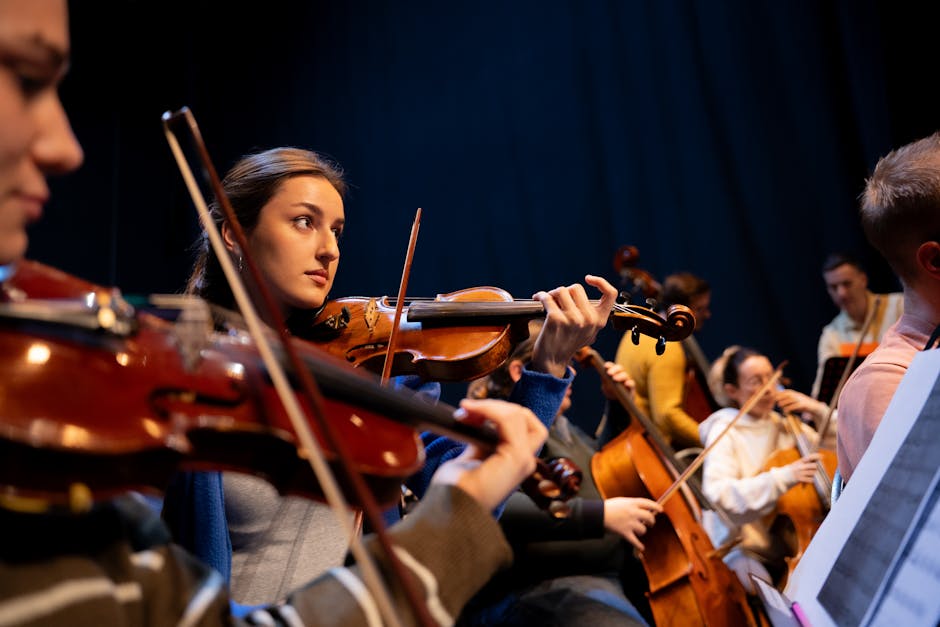
String instruments—violins, violas, cellos, and double basses—form the foundation of most orchestras. They're usually the largest section, often comprising half or more of the ensemble. Strings provide warmth, flexibility, and the emotional heart of orchestral music. Violins are typically divided into first and second violins, playing different parts.
Strings excel at expressing lyrical, singing melodies. Their versatility allows them to play everything from delicate, sustained notes to rapid, energetic passages. The string section's blend of sound is often what people find most moving in orchestral music.
The Woodwinds
Flutes, oboes, clarinets, and bassoons make up the woodwind section. These instruments produce sound by vibrating air through wooden or metal reeds. Woodwinds add colour, brightness, and character to the orchestral palette.
Flutes provide soaring, ethereal lines. Oboes offer a distinctive, somewhat nasal tone perfect for expressive solos. Clarinets bridge woodwind and brass, blending warmly with strings. Bassoons provide a deep, reedy foundation for the woodwind section.
The Brass
Trumpets, French horns, trombones, and tubas create the brass section's powerful, brilliant sound. These instruments project strongly and are often featured in dramatic, heroic passages. Brass instruments require significant breath control and physical stamina.
French horns are remarkably versatile, blending beautifully with both woodwinds and strings. Trumpets cut through with bright, piercing tones. Trombones provide rich, warm colours. Tubas anchor the low end with powerful, resonant notes.
The Percussion
Timpani, snare drums, bass drums, cymbals, xylophone, and various other instruments comprise the percussion section. These add rhythm, texture, and dramatic effects to orchestral music. Percussionists must be versatile, often switching between multiple instruments during a single piece.
How Sections Work Together
The magic of orchestral music happens when these sections interact. A melody might start in the strings, be picked up by woodwinds, then reinforced by brass. Different sections highlight different musical ideas, creating a rich, layered sound.
Conductors shape how sections balance and blend. They ensure that no single section overwhelms others, creating the unified sound we hear in a performance. Each section is equally important; the orchestra needs all four to function effectively.
Whether you play strings, woodwinds, brass, or percussion, your contribution to the orchestral sound is vital. Every musician, regardless of section, is essential to creating the beautiful, complex music that audiences love.